Powell River Top General Contractor for Home Improvement Projects
Powell River Top General Contractor for Home Improvement Projects
Blog Article
General Contractor: Your Trusted Professional for Residential Undertakings
A general contractor performs an vital role in home projects. They coordinate numerous aspects of building, ensuring that work advances without issues. Their proficiency in building codes and requirements allows them to work through the difficulties of permits and inspections. This expert functions as an essential connection between homeowners and subcontractors. However, many homeowners remain unsure about the full extent of their services. Learning about these particulars can have a major impact on the success of any renovation undertaking.
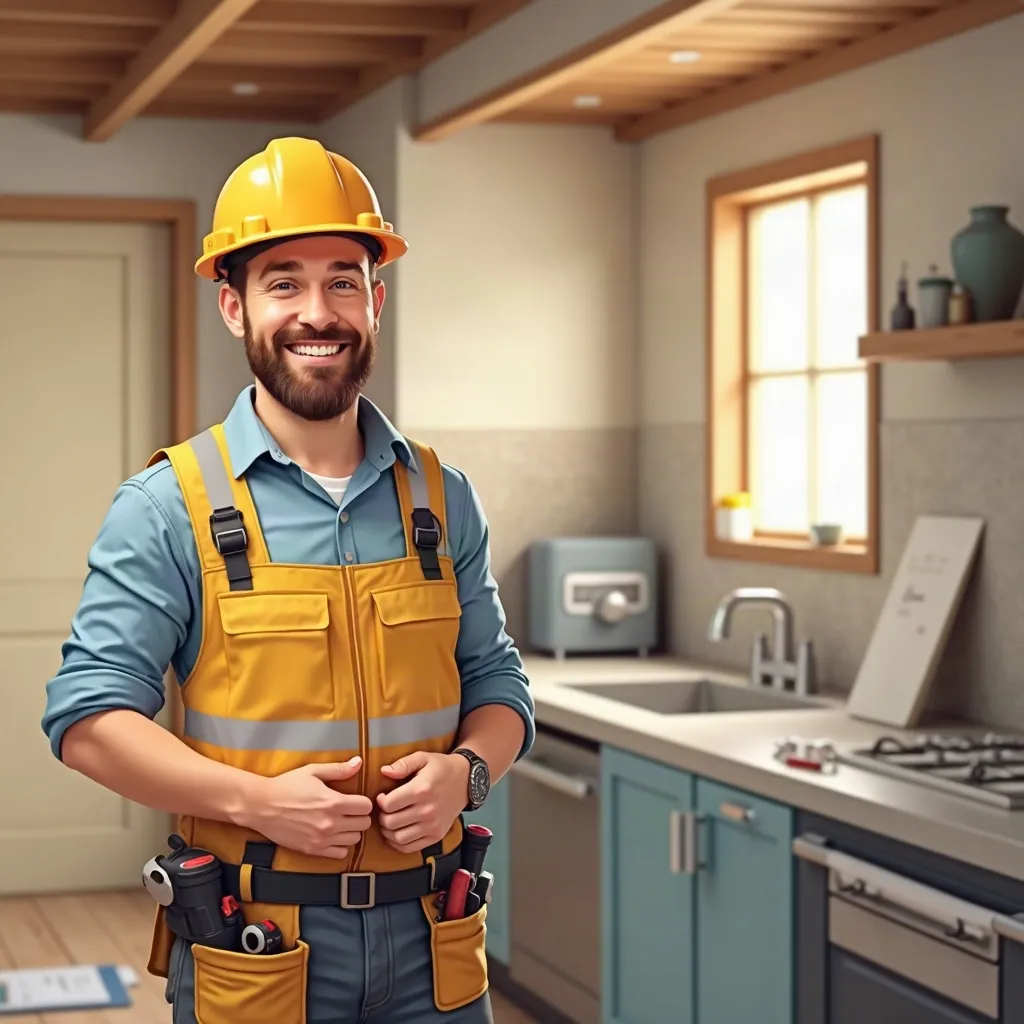
In What Ways Does a General Contractor Operate?
A general contractor directs the various elements of a building project, ensuring that everything runs smoothly from start to finish. They act as the chief communication hub, handling communication between clients, subcontractors, and suppliers. This responsibility involves structuring the work schedule, supervising crew members, and ensuring conformity with area construction rules and standards.
General contractors are in charge of acquiring required licenses and arranging inspections, which are essential to maintaining safety and quality standards. They also handle budget planning, material procurement, and overseeing site operations to mitigate any potential delays or issues. In addition, they supervise subcontractors, ensuring that each phase of construction aligns with project specifications and timelines. Overall, a general contractor's expertise and organizational skills are essential to delivering a successful construction project, turning documentation a client's vision into reality while balancing multiple tasks and responsibilities.
Advantages of Choosing a General Contractor for Home Remodeling
Engaging a a general contractor for home renovations provides multiple advantages that can significantly boost the efficiency and quality of the project. General contractors deliver knowledge in project management, guaranteeing that schedules are followed and resources are allocated efficiently. Their solid connections with subcontractors can produce better rates and superior workmanship, which ultimately benefits property owners by saving both time and money.
Furthermore, general contractors address the complex elements of permits and inspections, minimizing conceivable compliance concerns. They also deliver a single point of contact, simplifying communication and coordination among various trades. This consolidation lowers the probability of errors and postponements.
In addition, their proficiency empowers them to foresee emerging challenges, allowing proactive solutions to keep the project on track. By contracting a general contractor, homeowners can focus on their vision while enjoying peace of mind, confident that a professional is overseeing every aspect of the renovation.
Dispelling Common Myths Surrounding General Contractors
While many homeowners may believe false notions about contracting experts, understanding the realities can result in more sound decisions. One common myth is that hiring a contractor is not required for minor projects; nevertheless, their know-how can streamline even small-scale renovations, guaranteeing observance with local codes. Another common belief is that contractors are merely middlemen, but they frequently have in-depth knowledge in several disciplines, enabling them to manage projects efficiently. Additionally, some clients believe that working with a contractor will significantly inflate costs. In fact, a skilled general contractor can often negotiate better costs for materials and labor due to established relationships with suppliers and subcontractors. Lastly, many consider that contractors are unyielding, but reputable contractors value client communication and collaborate closely to address specific needs. Dispelled myths can empower clients to capitalize on the genuine value of contractors in achieving productive home projects.
Identifying the Most Suitable General Contractor?
How can homeowners ensure they choose the right general contractor for their assignments? The process starts with comprehensive investigation. Homeowners should seek suggestions from friends, family, or online reviews to find qualified contractors. Once a compilation is created, confirming qualifications, such as licensing, insurance, and bonding, is essential to verify credibility.
Next, clients should solicit and assess samples of previous work, focusing on projects similar in scope. Arranging consultations allows clients to gauge compatibility, discussing timelines, budgets, and expectations. It's also prudent to gather multiple bids for contrast, delivering a clear understanding of pricing.
Reviewing references offers understanding of a contractor's dependability and expertise. Ultimately, trusting one's instincts is essential; an opening discussion can uncover a contractor's communication style and approach. By following these steps, homeowners can markedly increase their chances of selecting a general contractor who matches their project needs and vision.
Optimal Communication Approaches Partnering Alongside Your General Contractor
How might homeowners employ techniques to guarantee strong dialogue with their general contractor? Establishing transparent discussion from the start is vital. Homeowners must clearly express their requirements, project aims, and cost parameters during first discussions. Regular updates can be facilitated through organized conferences, confirming that both parties stay in sync throughout the project.
Documented materials, including email records and project logs, serves to strengthen verbal agreements and reduces misunderstandings. Homeowners should also promote transparent communication by requesting comments and inquiries from the contractor, creating a cooperative atmosphere.
Furthermore, taking advantage of technology, such as project management apps, can facilitate team dialogue by establishing a centralized location for conveying updates, timelines, and changes. Finally, maintaining politeness and approachability can deepen rapport, allowing for it to be more straightforward for the contractor to raise challenges or suggestions with success. By putting into practice these techniques, homeowners can nurture a productive and transparent connection with their general contractor.
What Lies Ahead When Your Project Commences?
When the project gets underway, homeowners should prepare for a surge of movement on-site. The general contractor will oversee teams of skilled tradespeople, comprising electricians, plumbers, and carpenters, who will commence their labor in accordance with the agreed-upon schedule. Homeowners may observe heavy machinery and materials being delivered, creating a bustling environment.
Communication remains vital during this stage. The contractor will provide updates on advancement and address any concerns that occur. Homeowners should prepare for potential interruptions, such as sound and restricted entry to specific areas of the home.
Safety precautions will be in place to protect both workers and residents, ensuring a secure environment. Additionally, homeowners may be encouraged to keep flexibility, as unforeseen issues can arise, necessitating adjustments to the original plan. Overall, this initial phase establishes the foundation for the successful completion of the project, and active engagement is essential.
Essential Questions for Your General Contractor Contract?
Identifying the correct inquiries to ask when completing a general contractor agreement is essential for guaranteeing a seamless project. Homeowners should ask about the contractor's permit and protection to confirm their credentials and protection against liabilities. Understanding the project timeline and benchmarks is meaningful; therefore, asking about estimated completion dates helps control expectations.
It is also vital to establish contractual agreements, including deposit amounts and payment schedules, to eliminate misunderstandings. Property buyers should demand a itemized summary of expenditures, covering materials and labor, to confirm visibility. Likewise, exploring the framework for tackling revisions or unforeseen issues can preclude tensions going forward.
Finally, homeowners must gather details about subcontractors and their credentials, as well as the contractor's communication strategy throughout the project. By exploring these topics, property owners can build a productive relationship with their main contractor, ultimately resulting in a successful home project.
Frequently Asked Questions
What Methods Do General Contractors Use to Invoice for Their Services?
General contractors typically bill through set prices, per-hour charges, or a percentage of the total project cost. Their pricing may also include materials, labor, and operational expenses, based on the project's complexity and scope.
Can a General Contractor Assist With Licenses and Inspections?
Yes, a general contractor can assist with obtaining permits and managing inspections. They typically navigate local codes and ensure compliance, simplifying the workflow for homeowners while facilitating necessary authorizations throughout the construction project.
What Experience Should I Look for in a General Contractor?
When designating a construction company, one should evaluate qualifications such as current licensing, suitable insurance, experience in relevant projects, strong references, and proficient communication practices, confirming they retain the necessary expertise to administer the project as planned.
How Much Time Does a Common Home Restoration Project Take?
A common home renovation project can span anywhere from a few weeks to several months, contingent upon the breadth, difficulty, and size of the project, as well as the supply of materials and labor.
What Takes Place if My Project Goes Over Budget?
If a project exceeds the budget, the builder usually talks through the reasons and options with the property owner. Changes may consist of scaling back, seeking additional funding, or revising the project scope to match budget constraints.
Report this page